
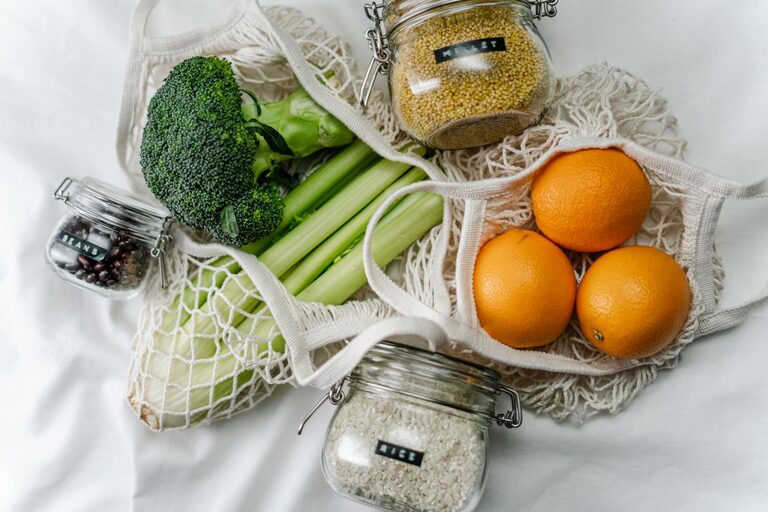
Effective Ways to Reduce Food Waste at Home
Reducing food waste at home is a simple yet powerful way to save money, conserve resources, and protect the environment. Every year, millions of tons of food are thrown away unnecessarily, contributing to greenhouse gas emissions and wasting valuable resources like water and energy. The good news is that by adopting a few mindful habits and smart strategies, you can significantly cut down on food waste in your household.
In this post, we’ll explore several practical ways to reduce food waste at home, from planning your meals to properly storing leftovers. Whether you’re a beginner or already aware of the issue, these tips can help you make a positive difference.
1. Plan Your Meals and Shop Smartly
One of the best ways to prevent food waste is to plan your meals ahead of time. When you know what you need for the week, you’re less likely to buy items that end up unused.
Create a Weekly Meal Plan
– Choose recipes for breakfast, lunch, and dinner.
– Check what ingredients you already have.
– Make a detailed shopping list based on the plan.
Shop with a List
– Stick to your list to avoid impulse buys.
– Buy only the quantities you need, especially for perishable items.
– Consider buying loose fruits and vegetables to purchase the exact amount.
2. Understand Expiration Dates
Food labels like “best before” and “use by” can sometimes cause confusion, leading to premature disposal.
Best Before vs. Use By
– Best before indicates the quality period; food is often safe after this date.
– Use by is a safety guideline; food should be consumed before this date.
Tips
– Use your senses: smell, look, and taste food to determine freshness.
– Store items properly to extend shelf life.
3. Store Food Properly
Proper storage can keep food fresh for longer and reduce spoilage.
Fruits and Vegetables
– Keep ethylene-producing fruits (like apples and bananas) away from leafy greens.
– Store potatoes and onions in a cool, dark, dry place, separate from each other.
– Refrigerate berries and cherries in breathable containers.
Dairy and Meat
– Keep dairy products at the back of the fridge where it’s colder.
– Freeze meat if you don’t plan to use it within a couple of days.
Bread and Leftovers
– Freeze bread you won’t use quickly.
– Use airtight containers for leftovers and label them with dates.
4. Use Leftovers Creatively
Instead of tossing leftovers, get creative and turn them into new meals.
Ideas for Leftovers
– Add leftover vegetables to soups, stews, or stir-fries.
– Use stale bread for croutons or bread pudding.
– Make smoothies with fruits approaching spoilage.
– Repurpose cooked grains into salads or fritters.
5. Practice Portion Control
Over-serving often leads to uneaten food being discarded.
Tips for Portion Control
– Serve smaller portions to start; people can ask for seconds if still hungry.
– Use smaller plates to help control portion sizes.
– Store extra servings for future meals.
6. Compost Food Scraps
Even with best efforts, some food scraps are unavoidable. Composting is a sustainable way to handle them.
What You Can Compost
– Fruit and vegetable peels
– Coffee grounds and tea bags
– Eggshells
– Nut shells
Benefits
– Reduces the amount of waste sent to landfills.
– Produces nutrient-rich compost for gardening.
If you don’t have space for a compost bin, check if there’s a community composting program in your area.
7. Keep Track of Your Food Waste
Understanding which foods you waste most often can help you adjust your habits.
Methods to Track Waste
– Keep a food waste diary for a week.
– Note which items are frequently discarded.
– Use this information to adjust your purchasing and cooking habits.
8. Donate Surplus Food
If you have non-perishable, unopened food items you won’t use, consider donating them to local food banks or shelters.
Benefits
– Helps people in need.
– Reduces food waste in your home.
Conclusion
Reducing food waste at home is achievable through thoughtful planning, proper storage, creative cooking, and mindful habits. By making these small changes, you’ll not only save money but also contribute to a healthier planet. Start today by trying one or two of these tips and build from there. Every bit counts!
—
Feel free to share your own tips or experiences in the comments below!
